What Is the Solar Reflectance Index (SRI) and Why It Matters for Your Roof
When homeowners and business owners choose a new roof, they often focus on color, durability, and price. One factor that rarely gets explained is how a roof handles heat. That is where the Solar Reflectance Index, or SRI, becomes important.
SRI helps measure how hot a roofing surface will get when it sits in direct sunlight. It plays a role in comfort, energy use, and long-term roof performance. While the concept sounds technical, the idea behind it is simple.
This guide breaks down SRI so you can understand how it affects your roof.
What the Solar Reflectance Index Measures
The Solar Reflectance Index is a single number that shows how well a surface manages heat from the sun. It is based on two physical properties working together:
- How much sunlight the surface reflects
- How quickly the surface releases absorbed heat
These two values are combined into one score so homeowners and builders can compare materials more easily.
SRI values follow a general scale. Lower numbers mean the surface gets hotter in the sun. Higher numbers mean the surface stays cooler. A dark surface that absorbs most sunlight will have a low SRI, while a lighter or more reflective surface will have a higher SRI.
Why Roof Temperature Matters
When sunlight hits a roof, that heat does not stay on the surface. It transfers into the attic and the rest of the building. Over time, higher roof temperatures can affect comfort, energy use, and even how long roofing materials last.
Hot roofs can raise indoor temperatures during warm months, forcing air conditioning systems to work harder. This can lead to higher energy bills and more strain on cooling equipment. Heat also causes roofing materials to expand and contract, which can contribute to wear over time.
Cooler roofs help reduce this heat buildup. Even small temperature differences at the roof surface can make a noticeable difference inside the home, especially during long periods of sun exposure.
SRI and Metal Roofing Performance
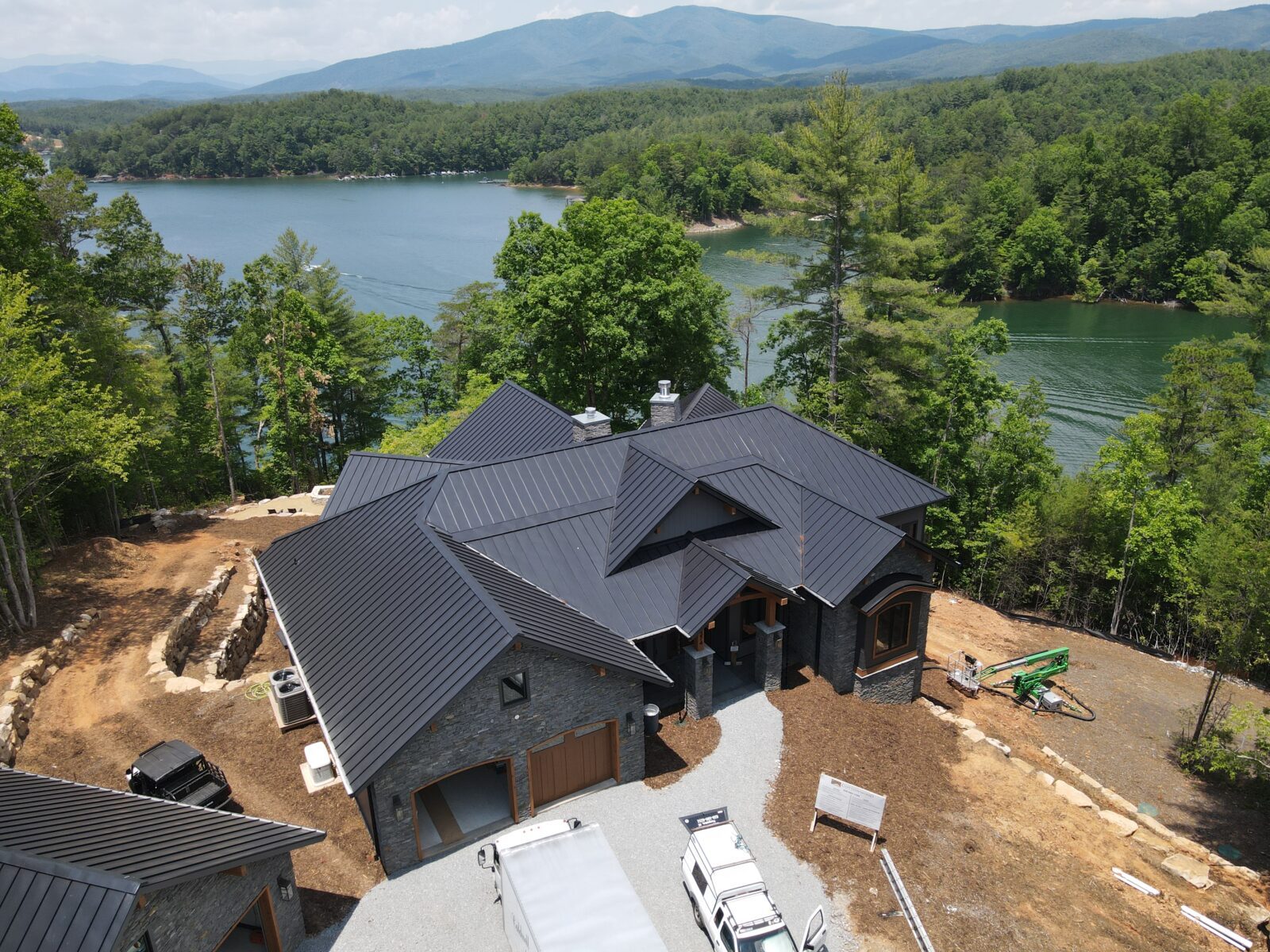
Metal roofing is often associated with better heat performance because metal releases heat efficiently. When paired with reflective coatings, metal panels can achieve strong SRI ratings compared to many traditional roofing materials.
White metal panels often have some of the highest SRI values available. Darker painted panels usually have lower ratings, but they can still perform well depending on the coating and installation. This wide range allows homeowners and business owners to balance appearance with performance
This flexibility is one reason metal roofing is commonly used on commercial and residential buildings to improve energy efficiency. For flat roofs, lighter-colored materials like TPO and PVC are also excellent options, especially when compared to the darker finish of EPDM.
How SRI Fits Into Energy and Building Standards
SRI is commonly used in energy-efficiency guidelines and building standards. These programs encourage roofing materials that reduce heat buildup and help limit overall energy demand.
Requirements often vary based on roof slope. Low-slope roofs usually need higher SRI values because they receive more direct sunlight over large surface areas. Steep-slope roofs often have lower minimum targets since heat disperses differently.
Homeowners and business owners do not need to memorize these standards, but understanding them helps explain why contractors may recommend certain colors or finishes based on roof design and local climate.
Is a Higher SRI Always Better?
A higher SRI is not always the right choice for every home. Climate, insulation, ventilation, and design goals all play a role too.
In warmer regions, higher SRI roofing can improve comfort and help reduce cooling costs. In cooler climates, some heat absorption may be helpful during colder months. That is why SRI should be considered alongside these other factors.
The best roofing choice balances energy performance, appearance, and how the building is being used year-round.
Making Smarter Roofing Decisions with MBA Roofing
Choosing a roof should go beyond looks. Understanding the Solar Reflectance Index (SRI) helps homeowners and business owners see how roofing materials perform in real-world conditions, especially when it comes to managing heat. A higher SRI means a cooler roof, better energy efficiency, and improved indoor comfort over time.
MBA Roofing helps turn SRI from a technical term into a practical decision tool. Our team explains what SRI ratings mean, reviews coating and material options, and helps you compare choices based on performance, not guesswork. We focus on how each option supports your building, budget, and long-term goals.
With MBA Roofing, you get clear guidance backed by experience and quality craftsmanship. We help you choose a roof that works harder, lasts longer, and supports smarter decisions from the start.
Ready to Improve Your Roof’s Performance?
Get a free consultation and quote from the team trusted across North Carolina!
Proudly serving:
- Cornelius, NC
- Statesville, NC
- Morganton, NC
- Denver, NC
- Davidson, NC
- Blowing Rock, NC
- Charlotte, NC
- Cornelius, NC
- Davidson, NC
- Denver, NC
- Conover, NC
- Morganton, NC
- Stateville, NC
- Taylorsville, NC
Your roof protects what matters most. Let MBA Roofing protect your investment.