
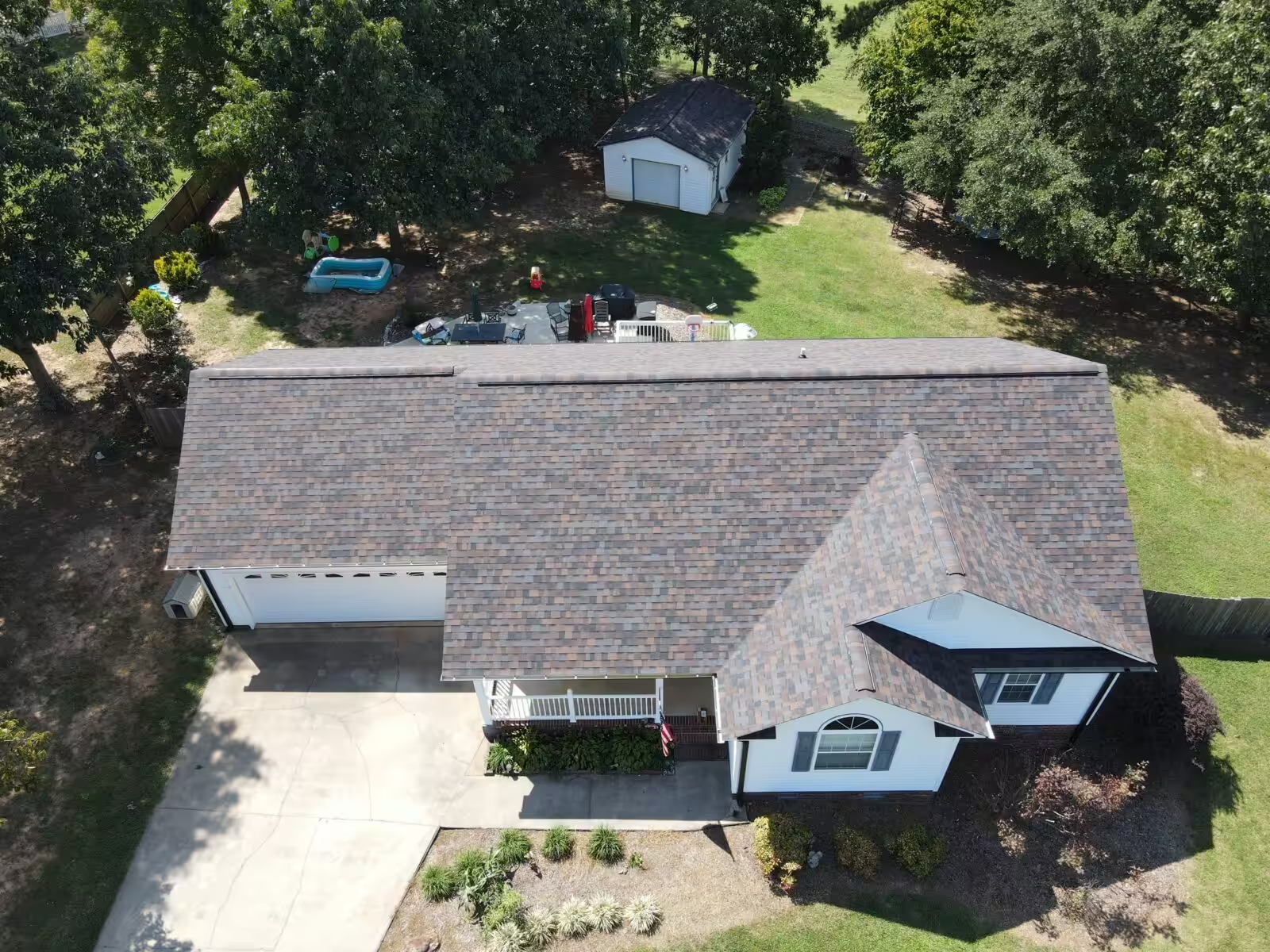
How the Roof Insurance Claim Process Works
Most homeowners make the same mistake after storm damage: they call their insurance company before they call a roofer. The instinct makes sense. The insurer is who you pay each month, so they feel like the natural first call. But it puts you at a disadvantage before the process has even started. Insurance companies know the claims process better than any homeowner does. Walking into it without independent documentation of your roof’s condition means you’re relying entirely on an adjuster’s assessment, and that assessment may not reflect the full cost of what actually needs to be repaired. The homeowner who controls the documentation at the start of a claim controls the outcome at the end.
Call a Local Roofer Before You Call Insurance
Before you contact your insurer, get a professional inspection. A roofer with experience in storm claims knows what adjusters look for, how to document damage accurately, and what separates cosmetic surface wear from structural compromise that will shorten the roof’s remaining life. That inspection gives you two things: a clear picture of what happened to your roof and independent documentation that exists separately from anything the insurer’s team produces. If the adjuster’s findings and yours don’t align, a roofer’s pre-claim report is the tool that creates leverage for a more accurate payout. Most policies also include a window for reporting storm damage, and waiting too long gives the insurer grounds to deny the claim regardless of how obvious the damage is.
What a Roofer Looks for Before You File
The value of involving us early isn’t just about having a report. It’s about knowing what to document and how to document it. A roofer who handles claims regularly understands which details adjusters use to calculate damage scope and which types of impact are most commonly undercounted. When we inspect a roof ahead of a filing, we assess:
- Impact points and granule loss across shingles
- Shingles that have lifted, cracked, or gone missing from wind
- Flashing, ridge caps, and ventilation components for wear or separation
- Any interior signs of moisture that correspond to the storm date
Every finding is captured with photos and detailed written notes. That documentation package becomes the foundation of your claim and our repair scope, and it travels with you through every stage of the process. For more on how we assist with storm-related claims, visit our storm damage page.
Understanding Your Roof Insurance Policy
Most homeowners have never closely read their roof coverage terms. When a storm hits, the assumption is that the policy covers whatever the adjuster determines needs to be done. That assumption is rarely accurate in full. Coverage terms vary considerably between policies, and the specific language in your contract determines what you actually receive when a claim is paid. Deductibles, coverage type, and depreciation schedules all affect the final payout, and none of those details become clear until you’ve read the policy. Two terms create more confusion in the claims process than any others: replacement cost value and actual cash value. Understanding the difference before you file determines what to expect from the settlement and whether you need to plan for any gap between what the insurer pays and what the repair costs.
Replacement Cost vs. Cash Value Coverage
Replacement cost coverage pays what it actually costs to repair or replace your roof with comparable materials at current market prices. Actual cash value coverage starts with that same figure and subtracts depreciation based on your roof’s age and condition at the time of loss. If your roof is fifteen years old with a twenty-year rated lifespan, an ACV policy may pay only a fraction of the replacement cost because the insurer treats the roof as near the end of its projected useful life. That depreciation calculation is performed using the insurer’s own software and cost databases. It’s not negotiated. It’s applied. The result consistently surprises homeowners who assumed their coverage was more comprehensive than it turns out to be. We review this with homeowners before any claim is filed so they know what to expect and can plan for any shortfall. For background on regular maintenance that can affect your claim conversation, our roof maintenance resource covers what insurers typically look for when assessing condition.
What Happens When the Adjuster Visits
Once your claim is filed, the insurer sends an adjuster to assess the damage. The adjuster inspects the roof, produces a damage report, and determines the payout based on the policy terms and their on-site findings. Their report lands as a settlement offer. Most homeowners accept it. It doesn’t have to be the final number. If their findings diverge from what our pre-claim inspection documented, we present our report and push back on specific line items. Adjusters miss things. They use incorrect depreciation figures, overlook secondary damage at flashing transitions, or apply standards that don’t fully account for the scope of repair the roof actually needs. The time to address those gaps is during the active claims process, not after a settlement has been accepted. For more on navigating that process, the insurance claims support page is a good place to start.
Why Your Roofer Should Be There Too
Having us present during the adjuster’s site visit is the most reliable way to make sure nothing goes unrecorded. We walk the roof alongside the adjuster, flag impact zones they may have missed, and clarify what each documented finding requires in terms of repair scope and materials. This isn’t adversarial. Adjusters are generally receptive to a roofer’s input when it’s presented professionally and backed by solid documentation. We’ve guided homeowners through this process many times, and we know how to make the case clearly without creating friction in the review. The pre-claim report we produced before the adjuster arrived is what makes that conversation specific rather than general.
Get Roof Insurance Help From MBA Roofing
The roof insurance claim process has more steps than most homeowners expect, and early mistakes are difficult to correct once a settlement has been accepted. MBA Roofing guides homeowners through every phase, from the initial inspection and claim documentation through adjuster coordination and completed repairs. Call us at (828) 276-1883 or reach us through our contact page to get started. We serve homeowners in: