
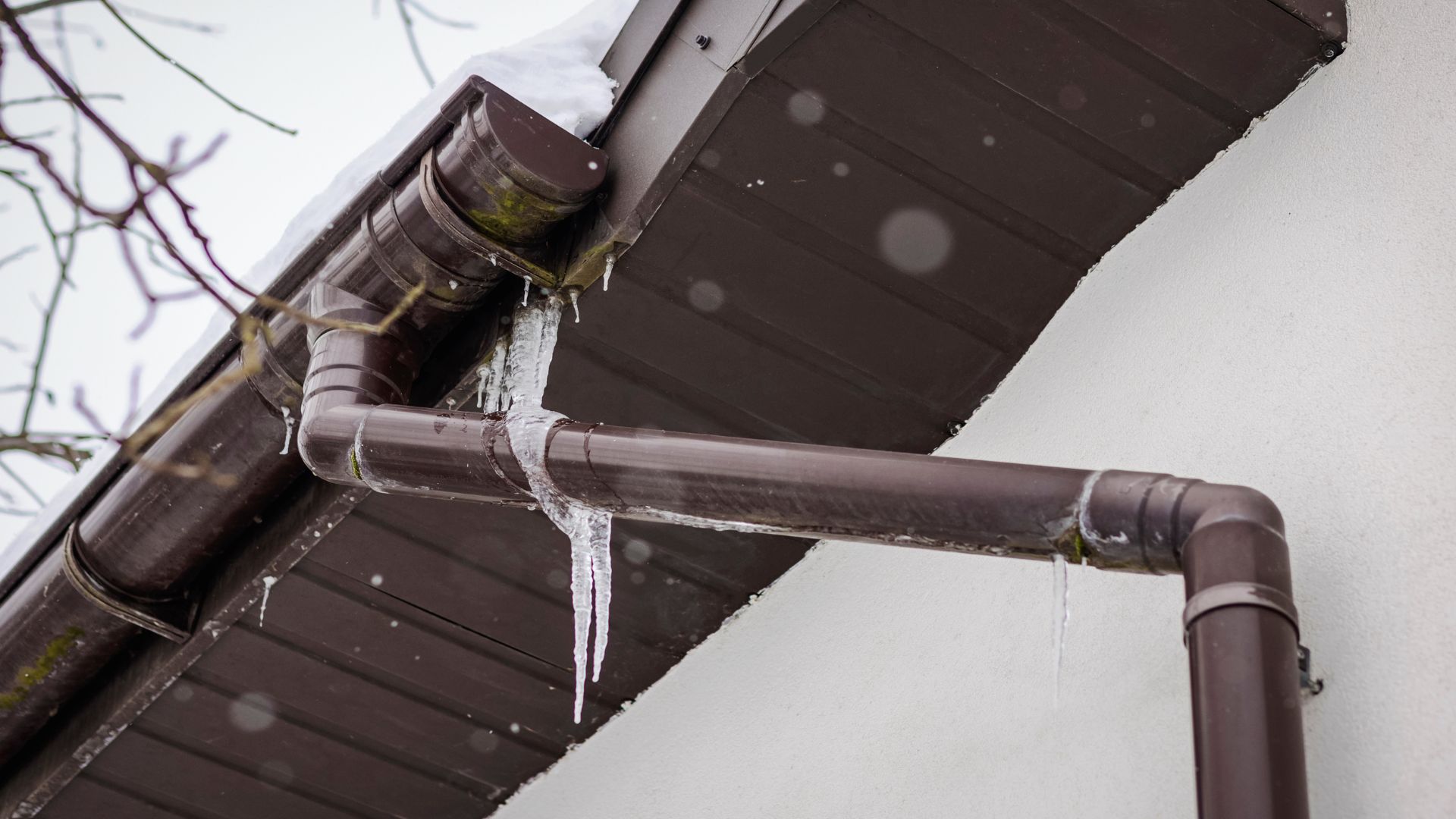
How to Prevent Ice Dams on Your Roof
Ice dams look harmless at first. A neat ridge of ice forms along the edge of the roof. Snow sits quietly above it. Then water backs up, slips under shingles, and enters the house. By the time stains appear on the ceiling, damage is already underway.
Preventing ice dams is not about melting ice after it forms. It is about stopping the conditions that allow ice dams to exist in the first place. Understanding why ice dams form, and what actually prevents them, protects both the roof and the structure below it. Say goodbye to leaks, sagging gutters and damaged facia due to ice dams.
Why Ice Dams Form in Winter
Ice dams form when a roof surface has uneven temperatures. Snow melts higher up the roof where heat escapes from the home. That meltwater flows downward until it reaches the colder eaves. There, it refreezes. As the cycle repeats, ice builds up and traps water behind it.
The roof edge stays cold because it extends beyond the heated structure. The upper roof stays warm because heat leaks through insulation gaps, attic penetrations, or poor ventilation. Ice dams are the visible result of hidden heat loss.
Does Insulation and Venting Help?
Insulation and ventilation work together. Insulation slows heat from escaping the living space. Ventilation carries away heat that reaches the attic. When either system fails, the roof surface warms unevenly.
In homes with poor insulation, heat rises into the attic and warms the roof deck. In homes with poor ventilation, that heat becomes trapped. This results in the snow melting even when outdoor temperatures stay below freezing.
A well-insulated, well-ventilated attic keeps the roof surface closer to the outdoor temperature, reducing melt-and-refreeze cycles.
Ways to Reduce Roof Ice Buildup
Ice dam prevention starts inside the building envelope. Air sealing around attic penetrations limits heat loss. Balanced intake and exhaust ventilation keep attic temperatures stable. Proper insulation depth prevents warm air from reaching the roof deck. Roof design, ventilation layout, and insulation performance all matter. Many homeowners focus on surface fixes. They rake snow, chip ice, or apply salt. These actions can damage shingles, gutters, or fascia and should be avoided. It is best to contact a professional roof company to tackle ice dams at the source without risking damage.
Is Manual Ice Removal Safe?
Manual ice removal is dangerous for both homeowners and houses. Chipping ice can crack shingles, loosen flashing, and damage gutters and facia. Climbing icy ladders adds personal risk on top of property risk.
Even when done carefully, manual removal does nothing to stop ice from reforming. As soon as heat escapes again, meltwater returns, and ice builds back up.
At MBA Roofing we advise against ice removal. However, if it’s an emergency situation and you accidentally damage your shingles, gutters, or facia don’t worry. We can take care of any damages and get you back to good as new.
Steps to Take When Ice Appears
When ice dams appear, quick action limits damage. Interior signs like damp insulation, peeling paint, or ceiling stains indicate water intrusion. Exterior signs include thick ice along the eaves and heavy icicles forming below gutters.
To prevent long-term issues, MBA Roofing recommends scheduling a professional roof inspection if ice dams develop, even if no leaks are visible yet. Water often travels unseen before damage becomes obvious. Please note that our team will not be able to inspect the roof until the ice and snow has melted to ensure the safety of our team.
When Should a Pro Step In?
A professional should step in when ice dams return year after year, when leaks appear, or when attic conditions are unknown. Ice dams signal that heat, air, and moisture are moving where they should not.
Answering Ice Dam Questions With MBA Roofing
Homeowners dealing with ice dams usually ask the same core questions: why it is happening, what actually works, and whether the roof itself is failing. MBA Roofing answers these concerns through a preventative approach rooted in building science. Ice dams form when heat escapes unevenly, warming the roof surface and melting snow from below. The problem is not snow alone, but temperature imbalance caused by heat loss and attic conditions.
When ice appears, timing matters. Contact MBA Roofing today for expert winter roofing solutions—whether you need a quick repair to address ice dam damage or a complete roof replacement with proper ventilation to prevent future problems.
Ready to Improve Your Roof’s Performance?
Contact us to schedule your free roof inspection and quote from a team that is trusted across North Carolina!
Proudly serving:
- Cornelius, NC
- Statesville, NC
- Morganton, NC
- Denver, NC
- Davidson, NC
- Blowing Rock, NC
- Charlotte, NC
- Cornelius, NC
- Davidson, NC
- Denver, NC
- Conover, NC
- Morganton, NC
- Stateville, NC
- Taylorsville, NC
Your roof protects what matters most. Let MBA Roofing protect you and your investment.