
Which Roofing Material is Best for New Commercial Construction?
Building a new commercial property from the ground up give you more control over the roofing system than a replacement project. With an existing building the slope (how steep the roof is) is fixed, drainage is laid out, and the structural capacity has already been established. In new construction, these are design elements can be changed until the first walls go up.
The choices made in at the design and specification stage are what will effect the building’s performance for the next 30 to 50 years. Choosing the right roofing system from the start is far cheaper than correcting it after the building has been completed.
Here is a helpful overview of how the top commercial roofing materials so you can make the best decision for your new commercial project in North Carolina.
Why New Construction Changes the Roofing Decision
On a retrofit, the contractor works within the building’s existing framework. ew construction provides more flexibility, so the building’s roofing system is designed correctly. Slope can be built to the appropriate , drainage before membrane goes down, and structural load is engineered to support for the roofing system from the start. This opens the door to a wider range of material and could mean the right choice is different from the building next door.
How North Carolina’s Climate Shapes Roofing Specifications
In North Carolina, commercial buildings often carry more heat stress, high winds, and UV exposure than other areas on the east coast. In the mountains buildings experience greater temperature fluctuations, which can affect how membranes hold up over time. In the larger cities, such as Charlotte, Raleigh, and Winston-Salem, commercial buildings require stronger UV resistance and seams that can hold up under intense heat expansion and contraction.
Energy codes on new commercial construction also influence roofing specifications. Cool-roof systems (roofs with a minimum solar reflectance value of at least 78 to 82 for steep-slope roofs and 29 to 64 for low-slope roofs) , and reflective membranes reflecting more sunlight and absorbing less heat, reducing the building’s cooling load from day one.
Low-Slope Roofing Systems for New Construction
Most commercial buildings in North Carolina are designed with a low-slope or flat roofline for structural cost efficiency. These roof designs limit the material set to membranes — large sheets of roofing material that seal together at the seams to create a continuous, watertight seal: TPO, PVC, and EPDM are the three most common options for new low-slope commercial construction. The right one depends on:
- The building’s use
- The project location,
- The amount of rooftop equipment
- Expected foot traffic
- Energy code requirements
- Planned roof maintenance
TPO, PVC, and EPDM: Picking the Right Membrane
TPO (thermoplastic polyolefin, a flexible plastic roofing sheet) and PVC (polyvinyl chloride, a rigid plastic membrane) are the two membranes MBA installs most often on new NC commercial construction. EPDM (ethylene propylene diene monomer, a rubber membrane) comes up on occasion, typically when a project’s temperature swings or budget point to it.
TPO Roof Material
TPO roof on a commercial building
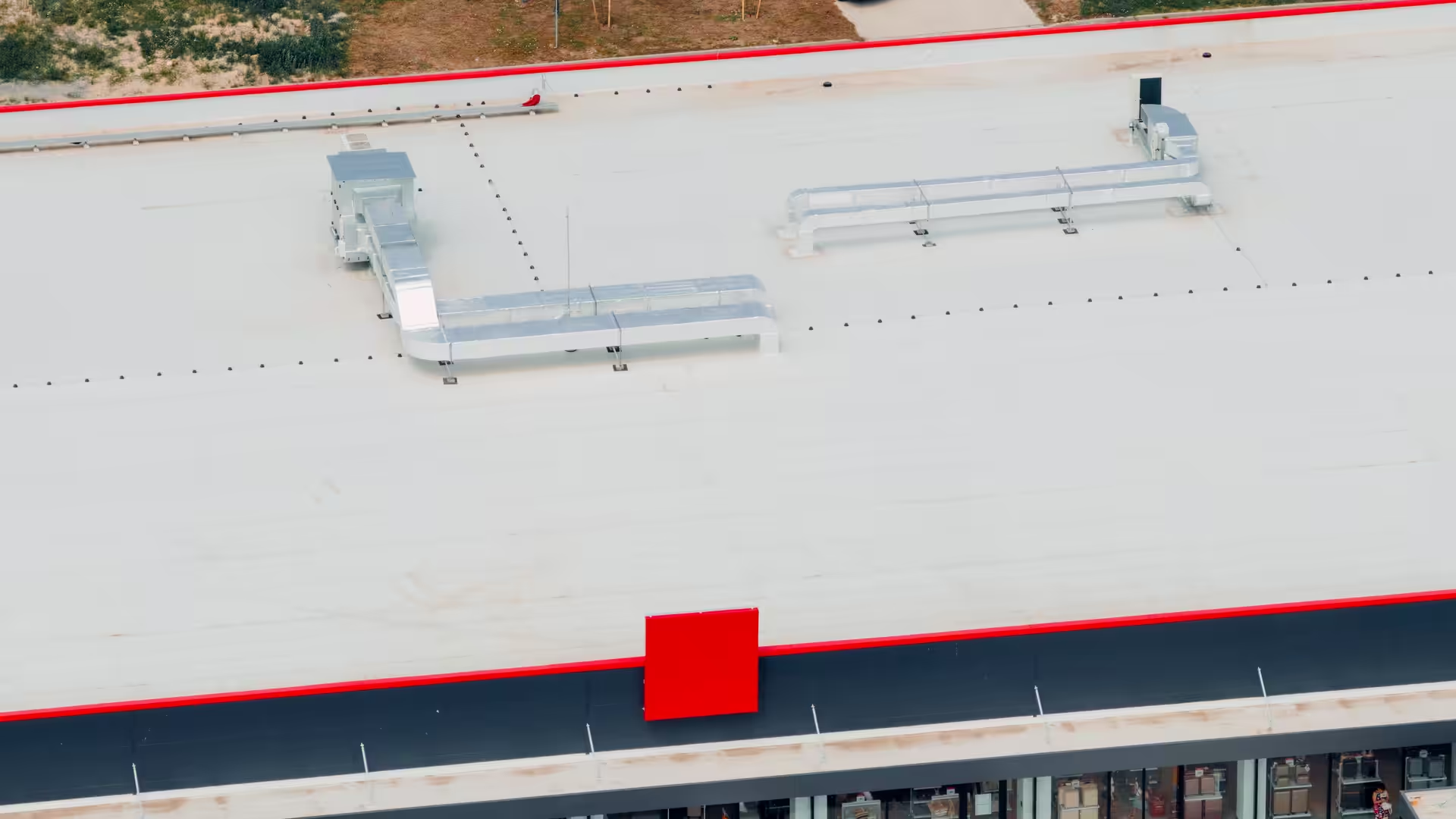
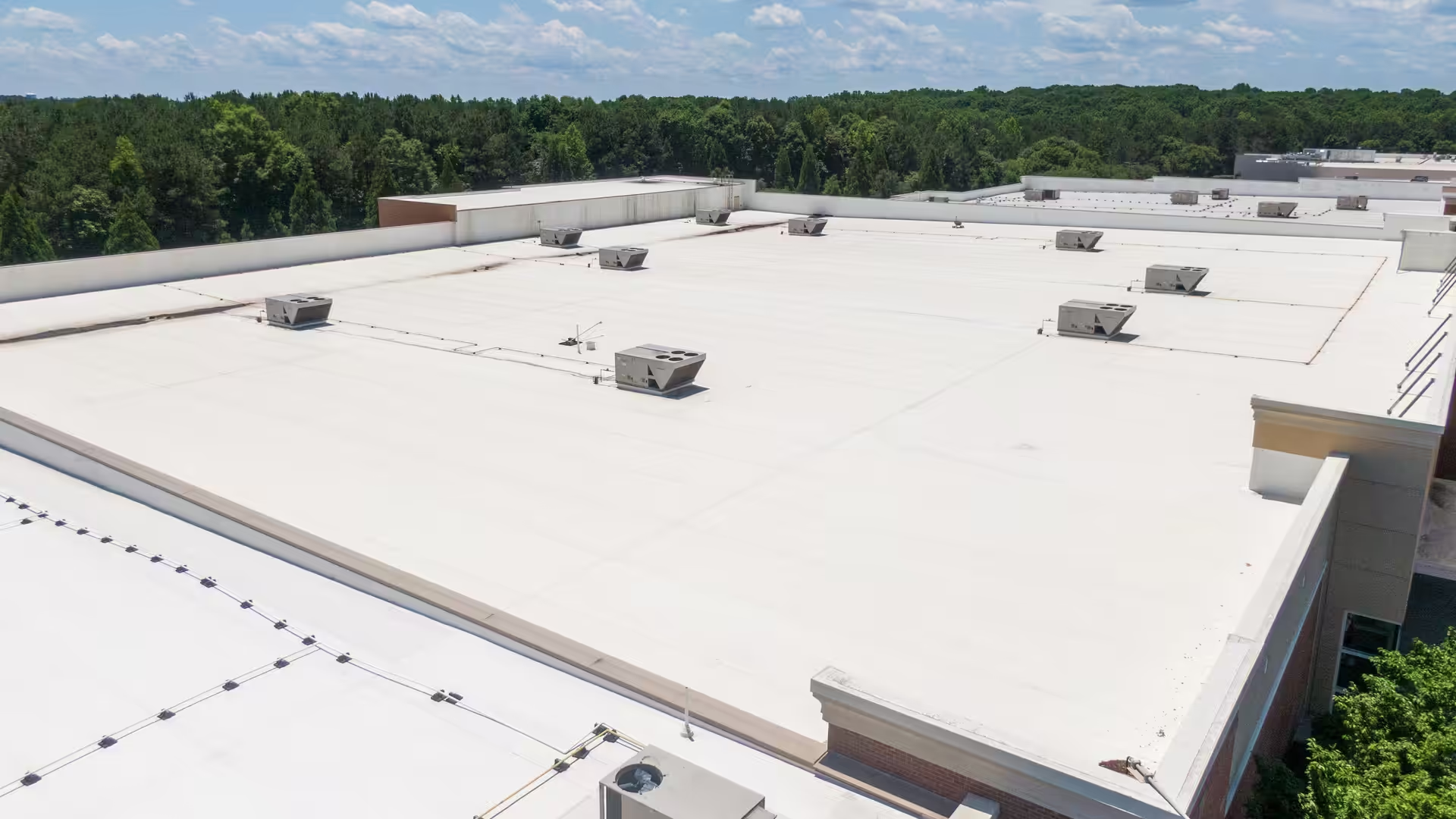
White and light-gray TPO reflects heat and supports cool-roof compliance (many local codes require lighter, heat-reflecting roofs to help control cooling costs). It uses heat-welded seams that fuse into one continuous surface when installed correctly. On a new build, seam layout around HVAC curbs (the raised platforms rooftop units sit on) and drains is planned from the beginning, eliminating the placement problems that cause most membrane failures on poorly planned retrofits. Properly installed, commercial TPO roofing lasts 20 years or more.
PVC Roof Material
Commercial building with a PVC roof
PVC roofing costs more than TPO or EPDM, and MBA specifies it on new builds where that premium pays off: restaurants and food service facilities where grease exhaust contacts the membrane, industrial buildings near chemical runoff, and projects where seam weld strength needs to exceed standard TPO specifications. Like TPO, PVC uses heat-welded seams and reflects heat in white or gray. On general office, retail, or warehouse construction, the cost premium doesn’t deliver proportional performance over the building’s life. TPO is usually the better fit there.
EPDM Roof Material
EPDM roof for a commercial building
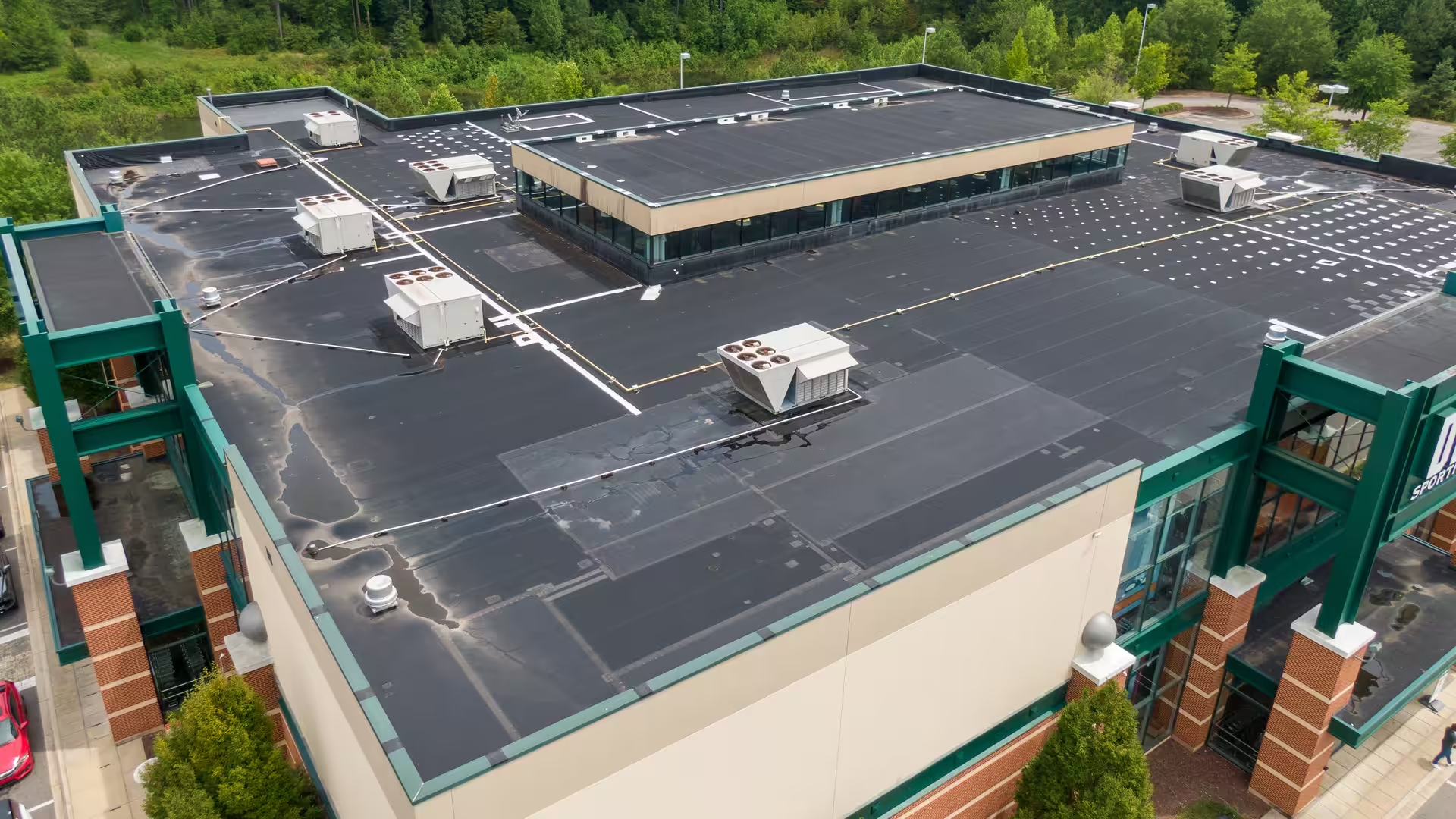
EPDM roofing handles temperature cycling well in conditions with more variance. On new builds in western NC, where the building sees more hot-cold temperature swing, EPDM holds up better under that movement than TPO or PVC do. Initial cost runs lower, and repairs are straightforward when seams need attention. The main consideration on new construction: EPDM’s darker surface absorbs heat, which can conflict with cool-roof compliance requirements depending on the project’s energy code (the local rules that set minimum energy-efficiency standards for the building).
Commercial Metal Roofing on New Construction
When the architectural design calls for a slope of 2 inches per foot or greater, standing seam metal is a great long-term investment for North Carolina buildings. Standing seam panels run from the roof’s peak (the ridge) down to its lower edge (the eave), with hidden fasteners and raised seams between them. This ensures there are no exposed fastener points across the roof’s surface. The typical lifespan of a metal roof is anywhere from 40 to 70 years. Although metal roofing typically requires a larger upfront investment, the longer replacement cycle can make it financially attractive for long-term ownership.
How MBA Roofing Supports New Commercial Projects
As an Owens Corning Platinum Preferred Contractor, we offer extended warranty coverage on qualifying new commercial installations.
As professional commercial roof contractors, our team can:
- Review architectural drawings and roofing details
- Evaluate the proposed slope and drainage layout
- Coordinate around rooftop equipment and penetrations
- Compare roofing materials based on the building’s use
- Consider maintenance needs and anticipated foot traffic
- Align the system with the owner’s budget and ownership horizon
- Review available manufacturer warranty options for qualifying installations
From our home office in Lincolnton to Hickory, and across the state of North Carolina, our goal is to help developers, general contractors, and property owners make the right roofing decisions for their commercial building before any construction begins. Call us at (828) 276-1883 or request a free commercial estimate to talk through the options for your new construction project.